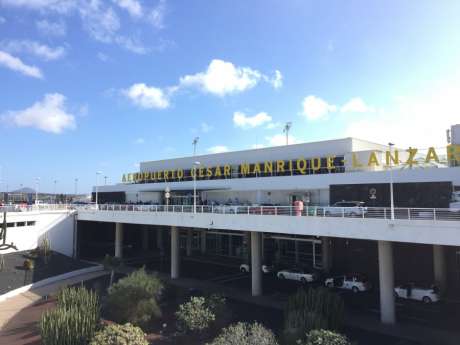



Bus drivers entering the zone will receive a ticket at the barrier, which is then used to operate the exit barrier when leaving. For the time being, the use of the parking area remains free, although AENA has confirmed its intention to introduce a charge for the service at a later date. The airport authority has not yet announced when paid operation will begin or the rates that will apply.
Why AENA Has Made the Change
According to the airport, the new system "will allow for a much higher turnover and improve the flow of all modes of transport in the airport's arrivals area" and is also intended to "discourage the misuse of the parking area." The wording reflects a long-standing operational issue at the airport, where the bus parking zone has at times been used by vehicles that are not actively picking up or dropping off passengers, reducing the space available for legitimate transfer and excursion operators.

The change comes against the backdrop of significant pressure on the arrivals operation across the early part of 2026. In March, Susana Pérez, the head of the Lanzarote Tourist Federation, publicly criticised conditions in the arrivals hall during peak periods, with extended passport control queues and delays linked to the new Entry/Exit System producing knock-on effects throughout the transfer chain. Coaches in some cases were reported to have been held in the parking area for extended periods while waiting for passengers still inside the terminal, raising both operational costs for tour operators and pressure on space outside the building.
The introduction of barriers and the move towards paid operation are seen as part of AENA's response to that pressure, with the aim of making sure the space is genuinely available for vehicles actively handling arriving passengers rather than being used as a holding area for longer than necessary.
How the System Works in Practice
The barrier system follows the same principle used in the airport's P1 and P2 public car parks, but is specifically configured for commercial bus and coach operation. Drivers entering the zone collect a ticket from the entry barrier, park while their passengers are collected, and then use the same ticket to operate the exit barrier when leaving. The system records the length of stay automatically, which provides the foundation for the planned move to paid operation.
For the moment, no charge applies regardless of the length of stay, and drivers can continue to use the zone in the same way as before with the only practical difference being the need to collect and retain the ticket. Once paid operation is introduced, AENA is expected to publish a tariff covering different categories of vehicle and likely a free initial window for short stops, in line with the standard model used at other Spanish airports.
Implications for Tour Operators and Transfer Companies
The change will most directly affect the dozens of transfer companies, excursion operators and ground handling agents who collect and drop off passengers in the bus zone throughout the day. The shift to a ticket-based system removes the need for any visual or manual policing of the area and provides a clear basis on which charges can be introduced and enforced later in the year.
For larger transfer operators handling significant volumes of arriving guests during peak weeks, the practical implications will depend on the eventual tariff and the inclusion of a free short-stay window. Coaches that arrive in good time and depart promptly once passengers are on board will likely face minimal cost, while vehicles held for longer in the area will see the cost of waiting time reflected directly in their bills.
Excursion operators and incoming tour companies whose business model already involves precise timing of pick-ups and drop-offs are well positioned to absorb the change without significant disruption. Operators relying on more informal arrangements, or whose coaches tend to wait in the area for extended periods between movements, may need to review their operational planning ahead of paid operation being introduced.
The Wider Airport Investment Picture
The new barrier system is one of several operational changes underway at Lanzarote Airport during 2026 as the facility prepares for a major investment cycle. AENA has confirmed plans to spend more than €327 million on César Manrique-Lanzarote between 2027 and 2031, more than eight times the €39 million invested in the airport over the previous five-year period.
The headline element of that programme is the physical unification of Terminal 1 and Terminal 2 into a single complex, with €144 million earmarked for the expansion. The works will deliver larger check-in, security and passport control areas, a bigger boarding zone with additional gates, separate Schengen and non-Schengen handling, an expanded baggage claim and reclaim hall, and an extended aircraft parking apron.
Smaller infrastructure changes during 2026, including the bus parking barriers, are intended to address immediate operational pressure points while the larger expansion programme moves through tender and approval stages ahead of the DORA III investment cycle beginning in 2027.
Impact for Arriving Passengers
For arriving passengers themselves, the immediate impact of the barrier installation is limited. Coaches and minibuses continue to operate from the same area outside Terminal 1, and the change is largely invisible to anyone who is not driving one of the affected vehicles. The longer-term effect, if AENA's stated intentions are realised, should be a more efficient and less congested arrivals zone, with coaches moving through the space more quickly and a clearer separation between vehicles actively handling passengers and those waiting for longer periods.
Visitors should also continue to factor in the broader pressure on the arrivals operation during peak weeks, where passport control queues linked to the Entry/Exit System remain the most significant source of delay for tourists arriving at the airport. The combination of operational changes in the bus zone, the planned terminal expansion and the rollout of automated border control technology together represent a sustained effort by AENA to address the bottlenecks that have affected the arrivals experience during the early part of 2026.
What Happens Next
AENA has not yet published a timetable for the introduction of paid operation in the bus parking zone, and the system will continue to operate without charge until further notice. Once the charging structure is finalised, the tariff and any associated terms will be published through the airport's official communications and will apply to all commercial vehicles using the zone. Tour operators, transfer companies and ground handling agents are likely to be notified directly ahead of any change to the current free operation.
The change at the bus parking zone sits alongside the broader programme of improvements being delivered at Lanzarote Airport during 2026, and represents one of several practical steps being taken to bring the facility's operational performance closer in line with the record passenger volumes it has been handling in recent years.