


According to witnesses, the woman felt a sudden sharp impact in her foot and had to kick repeatedly before the shark released its grip and retreated. Beachgoers nearby briefly feared the injuries might be serious, but the bite was subsequently confirmed as superficial. The swimmer was able to clean the wound at the scene with soap and water and apply an antibiotic cream to reduce the risk of infection, and did not require hospital treatment.
What Happened
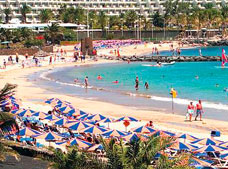
The incident occurred at Playa Honda, the long stretch of coastline running through the municipality of San Bartolomé between Arrecife and Lanzarote Airport. The beach is popular with local families and visitors, and the shallow, sandy seabed that characterises much of the bay is exactly the kind of habitat in which juvenile angel sharks are most likely to be found. The animal involved in Sunday's incident was reported to be a baby of the species, and it appears to have reacted defensively after being trodden on rather than approaching the swimmer.

While the incident understandably caused brief alarm among beachgoers at the time, marine experts have moved quickly to reassure the public that bites involving angel sharks in Lanzarote remain extremely rare and almost always result in minor injuries when they do occur.
What Is an Angel Shark
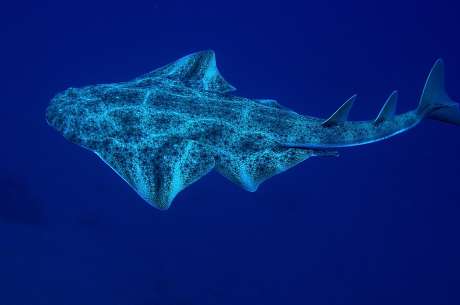
The angel shark, scientifically known as Squatina squatina and locally referred to as the angelote, is a flat, bottom-dwelling species that spends most of its time partially buried beneath sandy seabeds. The species uses its highly effective camouflage to hide from predators and to ambush small fish, with sardines making up the bulk of its diet. Adult males typically grow to between 80 and 132 centimetres, with females reaching up to 169 centimetres.
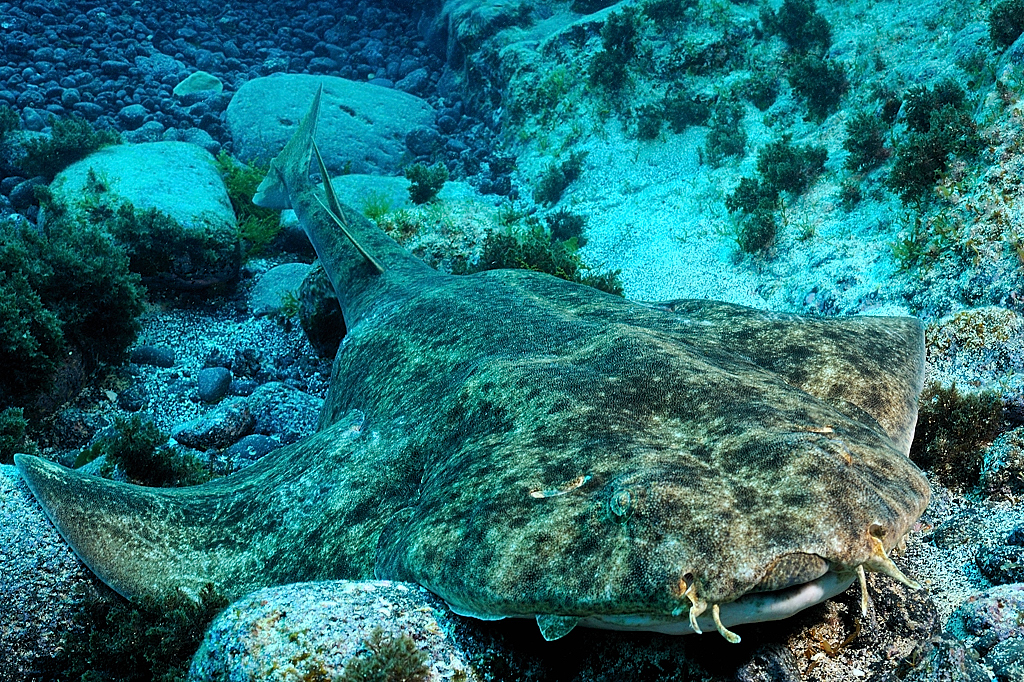
The species is critically endangered on a global scale and has been listed as in danger of extinction in Canary Island waters since 2019. The Canary Islands are now considered the most important remaining habitat for the species anywhere in the world, with Lanzarote in particular known as a key location for regular sightings by divers and conservation researchers. Killing, capturing, disturbing or trading angel sharks, or damaging their breeding areas, is strictly forbidden under Spanish and European law.
Why Bites Happen and Why They Are Rare
Angel sharks are not aggressive towards humans and have no interest in people as prey. Marine biologists and dive professionals working with the species are consistent in their description of the animals as docile, ambush-style predators that hide from rather than approach larger creatures, including swimmers and divers. The species has a small mouth adapted for catching fish rather than threatening larger prey.
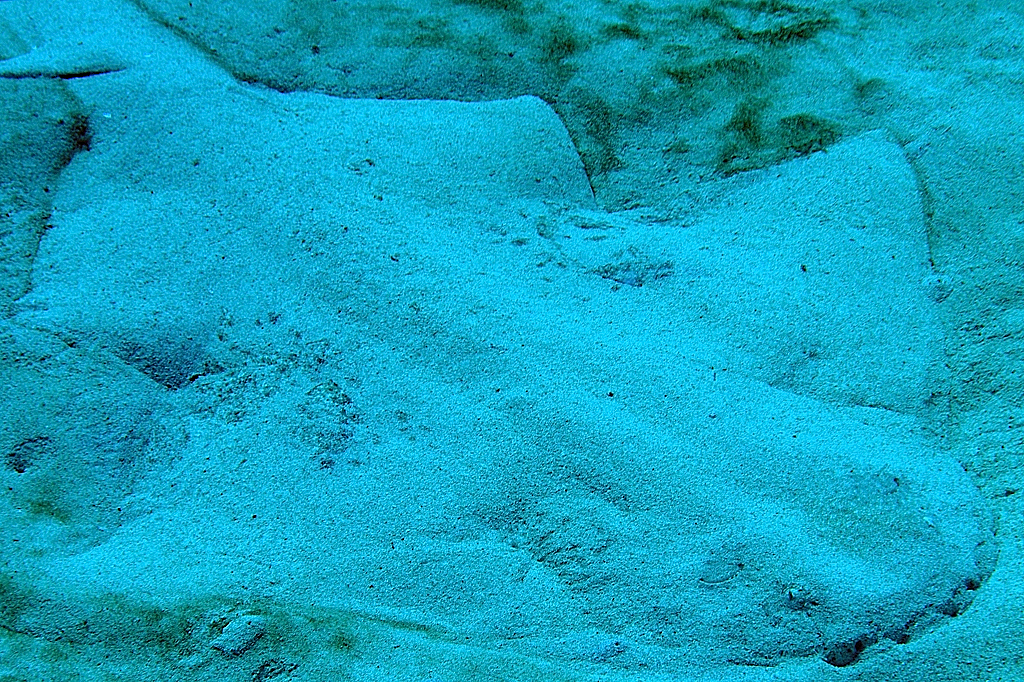
The very small number of recorded angel shark bites in Lanzarote and across the Canary Islands have almost all followed the same pattern. A swimmer or wader accidentally steps on an angel shark hidden in the sand, the animal reacts defensively to what it perceives as an attack, and a minor bite results. The bites are locally referred to as gummings, and the injuries are typically superficial. In May 2020, a six-year-old child was bitten on the foot at Famara beach in similar circumstances and required 20 stitches at Molina Orosa Hospital, though that case represented the more serious end of the spectrum and is the closest comparable Lanzarote incident on record.
By way of broader context, Spanish broadcaster RTVE has reported that only six shark-related incidents of any kind have been recorded across the Canary Islands since the 16th century. The risk of any meaningful encounter, let alone an injury, remains genuinely low.
The Shuffle Technique
Marine experts and dive professionals consistently recommend a simple technique for reducing the already low risk of accidentally stepping on a buried angel shark. Rather than walking with normal steps into the shallows, swimmers are advised to gently shuffle their feet through the sand. The movement creates vibrations in the seabed that alert any hidden marine life to the approaching swimmer, giving the animal time to swim away naturally before contact occurs.
The same shuffle technique is widely recommended in other parts of the world for avoiding contact with stingrays, weever fish and other bottom-dwelling species, and it costs nothing other than a few seconds of slower walking at the water's edge. The technique is particularly worth practising at beaches with extensive sandy shallows, of which Playa Honda is a textbook example.
Lanzarote as a Global Angel Shark Stronghold
Sunday's incident comes against the backdrop of Lanzarote's status as one of the most important conservation locations for the species in the world. The Angel Shark Project, run as a collaboration between researchers, dive operators and citizen scientists, has been working on the island for years to map the population, tag individual sharks and build a clearer picture of where and how the species breeds. Lanzarote dive sites including Playa Chica in Puerto del Carmen and the dive locations off Playa Blanca are known for frequent angel shark sightings during the winter and spring breeding season.
The conservation status of the species means that even where bites occur, the legal and ethical protections remain firmly in place. The animal involved in Sunday's incident was acting defensively in its natural habitat after being accidentally trodden on, and there is no question of any action being taken against it. The species remains protected under Spanish and European conservation law.
Lanzarote Beaches Remain Safe for Visitors
Despite the rare incident at Playa Honda, Lanzarote continues to be regarded as one of the safest beach destinations in Europe for tourists, swimmers and divers. The island's beaches are widely considered family-friendly, lifeguard cover is in place at the major resort beaches during the season, and the marine life encountered by the typical visitor extends to little more than the occasional fish glimpsed during a snorkel.
For visitors planning to enter the water at Playa Honda or any other sandy-bottomed beach during their stay, the shuffle technique provides a simple and effective additional layer of caution. Beyond that, the standard advice for any beach holiday applies. Swim within designated areas, follow lifeguard instructions, supervise children carefully in the water, and check local flag systems before entering the sea. Treated with normal care, Lanzarote's beaches and shallow waters remain one of the highlights of any visit to the island.
Images by https://www.iucnssg.org/