


Set against the rest of the country, that is brisk growth. Lanzarote alone accounted for 22 per cent of the entire population rise across the Canary Islands over the year, and it has been among the faster-growing islands in the archipelago for some time, even though the Canaries as a region sit near the bottom of the national growth table.
Where those residents live is heavily lopsided. Arrecife holds more than a third of the island's entire population in a single municipality, cementing the capital's role as the place where most islanders actually live, work and shop. Everywhere else trails well behind.
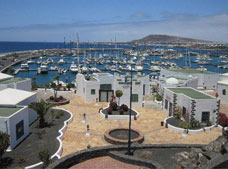
Below the capital sits a middle tier built around tourism, the municipalities of Teguise, Tías and San Bartolomé, followed by Yaiza in the south, which despite the pull of Playa Blanca has a smaller resident base than its visitor numbers might suggest. At the far end come the rural municipalities of Tinajo and Haría, the latter, up in the green north, being the least populated on the island.
The rise has been driven hardest by two areas. Arrecife has been the engine, at one stage adding roughly 3,000 residents in a single year, a jump of around 5 per cent that made it the fastest-growing municipality anywhere in the Canaries. Yaiza has been close behind, its population swelling on the back of southern tourism and building work. Teguise has bucked the trend at times, shedding a few residents while its neighbours expanded.
Much of the growth is coming from outside Spain. Close to a quarter of Lanzarote's residents were born abroad, and that proportion is climbing year on year, mirroring a national picture in which arrivals from overseas are the only thing keeping the population rising as the Spanish birth rate falls. Across the country, the fastest-growing communities are Colombians, Venezuelans and Moroccans, and on Lanzarote too the Colombian community is now among the largest of the foreign groups putting down roots on the island's streets.