


The awards followed the competition's rigorous blind tasting process in London, in which more than 16,000 wines from around the world were assessed by a panel of over 200 international experts, including dozens of Masters of Wine. The Lanzarote results form part of a strong recent run for the island's wines on the international stage, following on from the Bacchus Gold awarded to the same winery in Madrid earlier this year.
Silver for Princesa Gara 2022
The standout result for the island came from Princesa Gara 2022, a single-varietal Malvasía Volcánica aged on its lees, which took a Silver Medal at the competition. The judging panel highlighted the wine's acidity, mineral character and varietal expression, qualities that reflect both the distinctive volcanic terroir of La Geria and the technical work involved in extended ageing on lees.
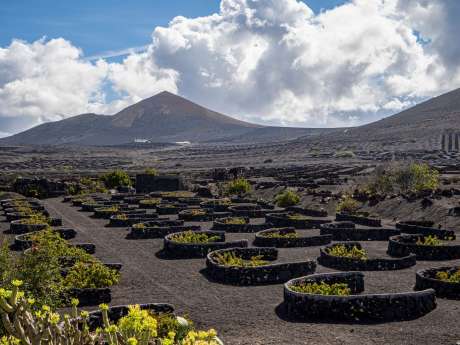
Malvasía Volcánica is the signature white grape of Lanzarote, grown in the black volcanic ash that defines the agricultural landscape of the central and southern parts of the island. The vines sit in hand-dug hollows protected by semi-circular stone walls called zocos, which shield each plant from the persistent trade winds while the ash retains overnight moisture and releases it slowly through the day. The result is a viticulture system unlike any other in Europe, producing wines with the kind of mineral edge and structural intensity that the Decanter judges recognised in Princesa Gara.
Bronze for the Princesa Fayna Brut Nature 2019
The second medal went to the winery's Princesa Fayna Brut Nature 2019, a traditional method sparkling wine that took Bronze at the competition. The recognition specifically acknowledged the technical work involved in extended ageing and the traditional method production process that distinguishes the wine from more commercial sparkling alternatives.
The same wine had already secured a Bacchus Gold at the international Bacchus Awards in Madrid earlier in 2026, in the sparkling wine category, making it one of the most decorated Canary Islands sparkling wines of the year. The combination of recognition at both Decanter in London and Bacchus in Madrid positions the Brut Nature firmly within a competitive global market segment that has historically been dominated by producers from Champagne, Catalonia and Italy.
Vega de Yuco and the Finca Testeina Estate
Bodegas Vega de Yuco operates from the village of Masdache in the heart of central Lanzarote, with vineyards spread across the protected landscape of La Geria and the surrounding Los Volcanes Natural Park. The winery's wine tourism activities centre on the historic Finca Testeina, a 16th-century manor house and former winery located approximately two kilometres from the modern production facility, where guided tours, tastings and pairings introduce visitors to the volcanic viticulture that produces the medalled wines.
The winery currently produces more than 20 different wines across the white, red, rosé and sparkling categories, with Princesa Gara and Princesa Fayna sitting among its flagship references alongside the Esencia Yaiza Malvasía Volcánica that took Bacchus Gold in 2024. The combination of traditional techniques, modern winemaking technology and the unmatched terroir of La Geria has made the winery one of the more consistently recognised producers in the island's recent wine scene.
Recognition for Heroic Viticulture
The Consejo Regulador of the Lanzarote Designation of Origin has framed the Decanter results as a boost for the entire island wine sector rather than just for the winning producer. The president of the Consejo Regulador noted that competing against more than 16,000 references from around the planet and returning with medals of this calibre demonstrates that Lanzarote's heroic viticulture is synonymous with exceptional quality and an absolutely unique character in the world.
The "heroic viticulture" label refers to the extraordinary conditions under which wine is grown on Lanzarote. Every vine on the island is planted and tended by hand, the volcanic ash makes mechanised farming impossible across most of the wine country, and the entire industry operates within the constraints of a UNESCO Biosphere Reserve. The economics are demanding, the yields are low, and the labour intensity is high. The international recognition that follows from competitions like Decanter and Bacchus carries particular weight in that context, signalling that the work is producing wines that can stand against the best in the world.
Lanzarote Wines Build International Visibility
The Decanter results add to a strong year for the wider Lanzarote wine sector. Earlier in 2026, Bodegas Timanfaya took a Gran Bacchus Gold for its Timanfaya Malvasía Dulce Natural Selección 2018 in the sweet wine category, while Vega de Yuco picked up its Bacchus Gold for the same Princesa Fayna sparkling that has now also taken Decanter Bronze. The cumulative effect of multiple medals across different competitions is gradually building the international visibility of the Lanzarote Designation of Origin in a market where the islands' wines have historically been overshadowed by their mainland Spanish counterparts.
The Consejo Regulador has been actively pursuing this kind of international recognition as part of a broader effort to position the island's wines in higher-value market segments and to strengthen the connection between the wine sector and the tourism economy. With Lanzarote already recording the highest average daily tourist spend in the Canary Islands during the first quarter of 2026, the appeal of distinctive, internationally recognised local wines to higher-spending visitors aligns naturally with the island's wider strategy of contained growth and quality over volume.
Visiting the Wineries
For visitors interested in tasting the medalled wines and seeing the volcanic viticulture for themselves, the La Geria wine region runs through the heart of central Lanzarote between Uga and Tinajo. The Ruta del Vino takes in around a dozen wineries, most of which offer tastings, tours and direct sales. Bodegas Vega de Yuco welcomes visitors at both its main facility in Masdache and the Finca Testeina estate in La Geria, with tasting experiences ranging from straightforward tours through to extended wine and gastronomy pairings.
The neighbouring bodegas of El Grifo, La Geria, Rubicón, Stratvs and others all offer complementary experiences within easy reach, making a half-day or full-day drive through the wine country one of the more rewarding things to do on the island. The wines themselves, including the Decanter-medalled Princesa Gara and Princesa Fayna, are also available for purchase directly from the wineries and from a handful of specialist retailers offering shipping back to the UK, Ireland and other European markets.
The Bigger Picture for Lanzarote Wine
The Decanter World Wine Awards is widely regarded as the largest and most influential wine competition in the world, with the awards process bringing together hundreds of Masters of Wine and international experts under a strict blind tasting protocol. Securing medals at the competition is a recognised marker of quality that opens doors in international distribution, restaurant wine lists and specialist retail, and the Lanzarote results for 2026 add genuine weight to the island's growing reputation as a serious wine destination rather than simply a holiday market.
For the wider sector, the medals validate the considerable work being done by producers, the Consejo Regulador and the island authorities to support quality, sustainability and international recognition for Lanzarote's distinctive wines. With the unique terroir, the heroic viticulture, the increasingly sophisticated wine tourism offering and the consistent run of international awards now stretching back several years, the conditions are in place for Lanzarote to establish itself permanently as one of the most distinctive small wine regions in Europe.